Book a private conversation

Become the most AI‑capable person in your company in six weeks.

A private engagement built on your real work. You leave able to evaluate unfamiliar AI tools quickly, rebuild high-value work around AI and build or adapt useful systems independently.

For founders and senior operators who run a company on judgement, and have noticed that around AI that judgement has nothing to stand on yet.

Six weeks. Six private 75-minute sessions. Two check-ins a week. We have worked with 20+ senior executives, including the founder of a company valued at more than $5 billion.

You probably recognise some of this.

  • You use AI most days. You still cannot say what made one conversation work and the next one useless.
  • You rewrite most of what it gives you, then wonder whether it was worth opening.
  • You ask it whether its answer is right. It says yes. You take that as checking.
  • You have received citations and not checked whether the sources exist.
  • A vendor sends a proposal. You cannot tell which assumptions to push on, or whether the thing needs AI at all.
  • You need to hire someone for AI work and cannot describe what they would be responsible for.
  • Your team has been told to use more AI. Nobody, including you, can say what better would look like.
  • You have done the training. It made sense in the room. It did not survive the first situation that was not demonstrated.

None of this is a tools problem.

  • You never defined what a good result contains, so you cannot tell when you have one.
  • The context lives in your head, so every answer depends on what you remembered to include.
  • You have no way to check an answer that does not involve asking the same model again.
  • You have no rules for when AI should not be used at all.

You are an experienced decision-maker in your own field. Around AI, you have been working without a method. Six weeks is enough to build one, if you build it on your own work.

By week six you can do this yourself.

Week six reassessment
  1. Know its limitsExplain what AI can and cannot do for your business, and where it tends to fail.
  2. Brief it wellBrief it so the first answer is usable, and know what still needs checking before you act on it.
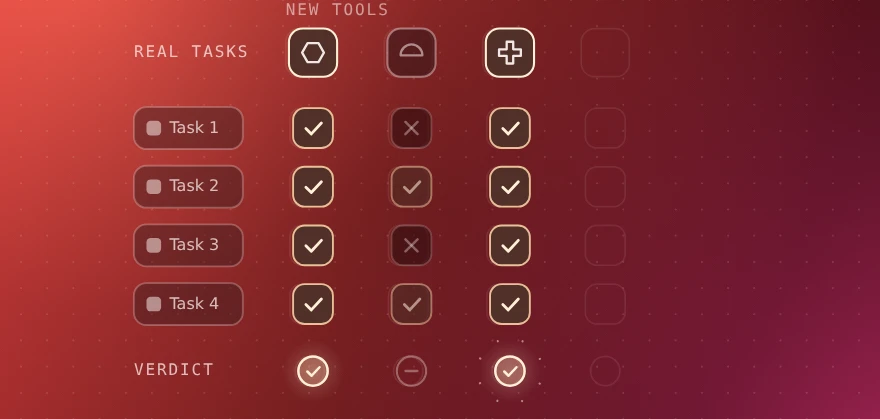
  3. Test new toolsTest a new tool against your own tasks in an afternoon, and ignore the rest of the announcements.
  4. Read proposalsRead a vendor proposal and know which assumptions to challenge, and whether it needs AI at all.
  5. Hire for AIInterview an AI hire and ask for evidence of work rather than a demonstration.
  6. Lead your teamGive your team direction from first-hand experience, and judge whether their AI-assisted work is actually better.
  7. Keep improvingKeep improving after we are gone, with your briefs, context, rules and test methods in one place.

Each of these is tested at the end on work you have not seen before.

You should also be much harder to impress with a polished demo that does not survive real work.

How the six weeks work.

The curriculum gives us structure. Your actual work gives it relevance.

Before week one

We start with a baseline.

You complete a short inventory of your recurring work and a set of real tasks before the first session. We use them to assess how you work with AI today across ten capabilities, based on what you do and what you produce, and to choose the three pieces of your work the six weeks are built around.

We do not coach during the baseline. We want the honest starting point. From that we prepare your capability profile and your six-week plan.

Baseline diagnosticTen capabilities
  1. AI fluency
  2. Instructions and context
  3. Evaluation
  4. Verification
  5. Research
  6. Knowledge systems
  7. Workflow design
  8. Automation
  9. Agents and systems
  10. Operating judgment

Weeks one to six

Six private sessions on your own work.

Each week you have a private 75-minute session on a task, decision or workflow from your own role. We prepare before the call and tidy up after it, so the time on the call goes on judgement, decisions and doing the work, not formatting.

Between sessions you practise on your own work. Two check-ins a week: the first surfaces progress and blockers so the next session is prepared properly, the second reviews your evidence and gives you one correction to make before the following week.

If solving a live business problem is more useful than following the planned lesson that day, we work on the live problem.

Working focus by weekPrivate sessionCheck-in
  1. Week 1
    AI fluency, instructions and evaluationA first recurring task improved, and a reusable brief started
  2. Week 2
    High-value recurring workA recurring task redesigned so AI improves its speed or quality, with before and after evidence
  3. Week 3
    Knowledge and context systemsReusable files, examples and context for a recurring use case, so you stop explaining your company from scratch
  4. Week 4
    Workflow design and automationA real multi-step workflow mapped, each step given to a person, ordinary software or AI, and automated where that is the right call
  5. Week 5
    Agents and delegated executionTools, boundaries, approvals and a stopping rule defined for a real task
  6. Week 6
    Operating system and reassessmentYour reassessment, final report and 90-day plan
The focus for each week is adjusted to you after the baseline.

Throughout

PRAXIS keeps the work together between sessions.

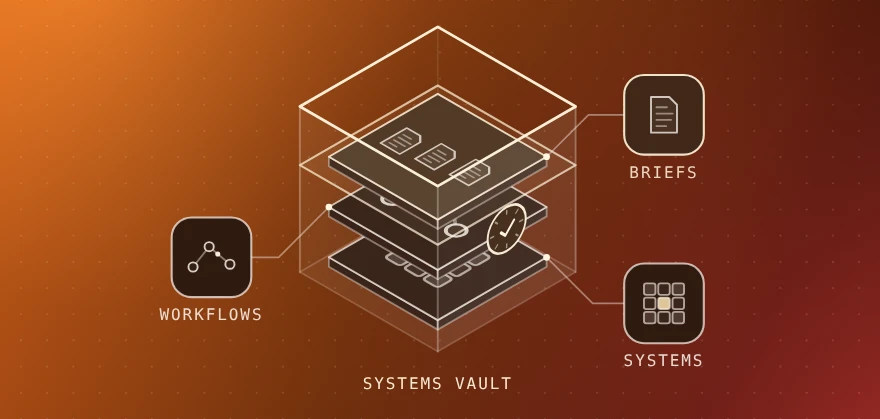
Your private workspace holds your assessments, your plan and weekly priorities, recorded lessons and applied tasks, your real work with coach feedback, and the Systems Vault with everything we build. You keep access after the engagement.

PRAXISYour private workspace
  • AssessmentsYour baseline and final reassessment
  • PlanYour six-week plan and weekly priorities
  • Lessons and tasksRecorded lessons and applied tasks
  • FeedbackYour real work, with coach feedback
  • Systems VaultThe systems built during the engagement

Week six

We measure again at the end.

On different tasks. You are reassessed on new material, so the result does not depend on having seen the first set.

The report compares it with your baseline and records what changed, with the evidence from your own work, what is still weak, and what to continue over the next 90 days.

If something did not improve, the report says so. We do not make claims we did not measure.

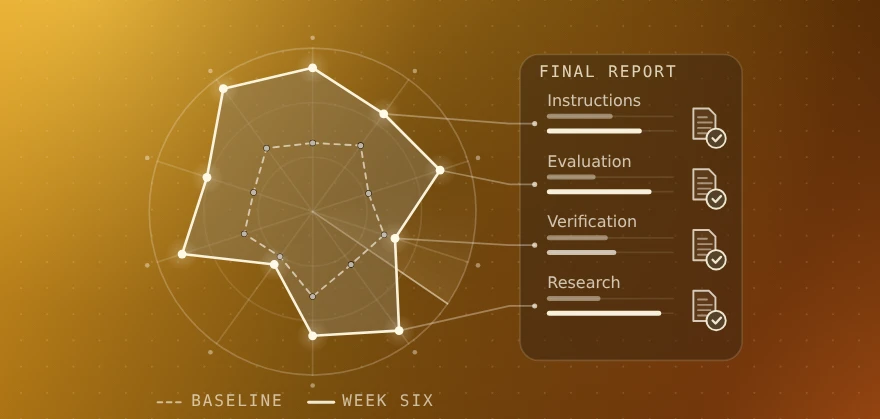
Final reportWeek six
  1. Final capability profileWhere you stand across the ten capabilities
  2. Baseline compared with finalThe same capabilities, before and after
  3. What changedWith evidence from your own work
  4. What remains weakThe gaps still open at week six
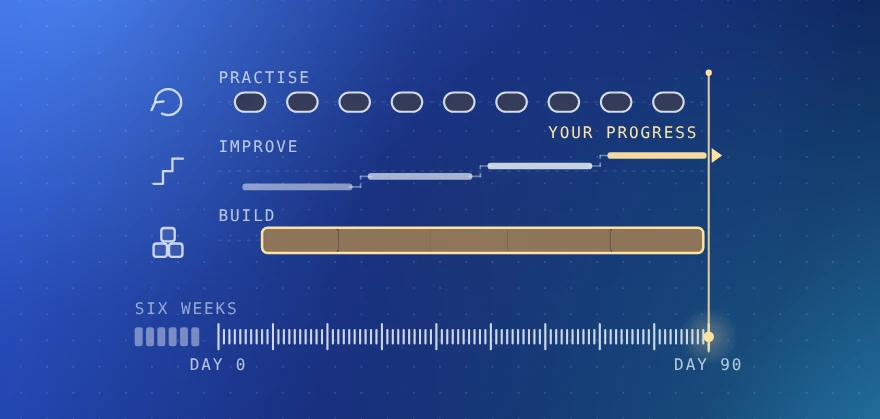
  5. 90-day continuation planWhat to practise, improve and build next
1 / 4

What you leave with.

  • A final capability profile

    A report showing what changed since your baseline, the evidence behind it, and what still needs work.

  • Your Systems Vault

    The briefs, context, workflows and systems created during the engagement.

  • A way to test unfamiliar AI tools

    A repeatable method for evaluating them against your real tasks, so you can decide what to adopt, what to watch and what to ignore.

  • Verification and operating rules

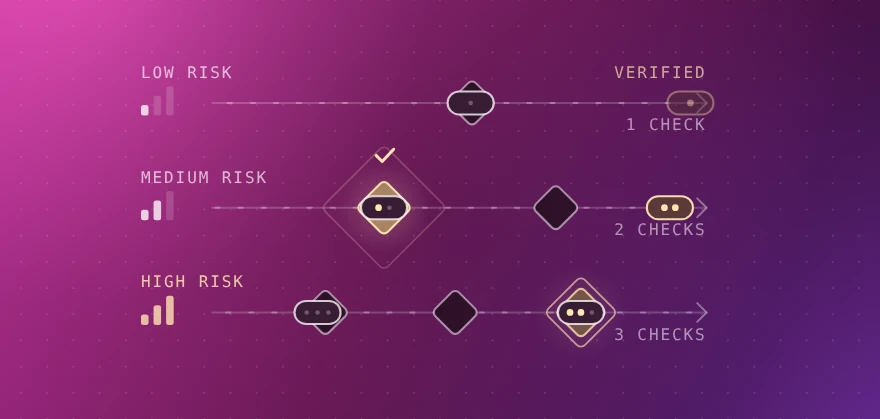
    Appropriate to your work and the risk it carries, including when not to use AI.

  • A Personal AI Operating System

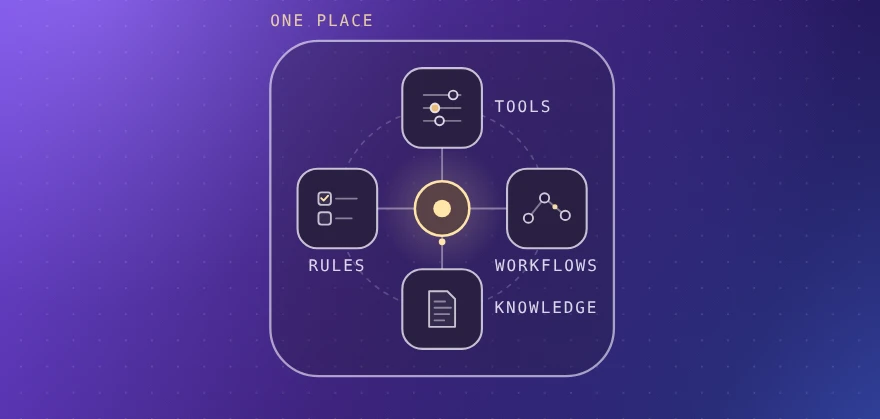
    Your tools, workflows, knowledge and rules in one place.

  • A 90-day continuation plan

    What to practise, improve and build after the six weeks.

We have worked with 20+ senior executives.

C-suite and senior executives in manufacturing, consulting and HVAC have worked with us on applying AI to real business responsibilities.

Jonathan

Jonathan started his first AI agency the day ChatGPT was released and has worked with companies internationally since he was 19. He holds a dual degree in artificial intelligence, has led teams building applications in manufacturing, cryptocurrency and education, and has built AI knowledge products for some of the world’s leading business and personal trainers.

That matters for one reason. He has seen how AI behaves when it meets real business requirements, which is different from watching it in a demonstration.

Built for people with real work to apply it to.

The strongest fit is a founder, senior operator or executive who expects AI to materially affect their work and wants first-hand capability rather than another overview of the technology.

Poor fit

  • You want a passive course or a list of tools.
  • You want somebody else to write an AI strategy while you remain outside the work.
  • You want it built for you so you never have to understand it.

Strong fit

  • You have real decisions, workflows and responsibilities to work on.
  • You are prepared to use the tools between sessions.
  • You are willing to be assessed honestly, including on what did not improve.

Questions people ask before starting.

01Do I need a technical background?

No.

The purpose is to make you capable of using and judging AI in your own role.

02I already use ChatGPT every day. Is this still relevant?

Yes. You are the person this is built for.

Daily use gives us a starting point. What it usually does not give you is a way to explain why one conversation worked and the next did not, or to repeat the good one next week. That is what the six weeks fix.

03Is the program tied to one model or tool?

No.

We use whichever tools matter for your work. The aim is capability that survives the next model release.

04Will we build things during the engagement?

Yes, with you.

Where useful, we build briefs, context systems, workflows, automations and research processes around your work. You do the meaningful repetitions, so that what gets built is something you can run and change without us.

05Can you just build it for me?

Not inside this engagement.

Substantial implementation is quoted separately. If you want capability you can use yourself, this is the right place. If you want a system built and handed over, say so on the call and we will point you to the right option.

06What does a week involve?

A private session with Jonathan, practice on your own work and two check-ins.

The check-ins are asynchronous and cover progress, blockers and feedback. Recorded lessons cover the concepts that do not need to be taught live.

07How is progress measured?

You complete a baseline before week one and a reassessment at the end.

The reassessment uses new tasks. The final report compares the two and includes a 90-day continuation plan.

08What is not included?

The engagement is for one person, so team training is not part of it.

AI tool subscriptions, model or API usage and your company’s internal IT, legal or security approvals are not included. Private sessions after week six are not currently included.

09Do I keep PRAXIS?

Yes.

Your PRAXIS access continues after the engagement.

10Will I depend on you afterwards?

No.

Support reduces as you become more capable, and the final assessment is on work you have not seen. You leave with the methods written down in your own system and a 90-day plan for using them.

11What does it cost?

We discuss the fee in the private conversation.

It is a single fee, paid in full.

Six weeks from now, AI should be something you can operate yourself.

You should know how to use it across your work, how to judge unfamiliar tools and how to tell when somebody else actually knows what they are doing with it.

The private conversation takes 30 minutes.